 (713) 360-0850
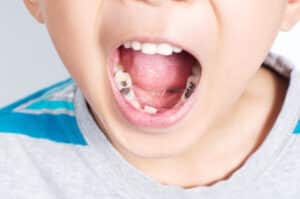
At Luna Pediatric Dentistry in Richmond, TX, we meet families every day who want the best start for their kids’ smiles. Cavities are common in children, but with the right care and guidance, they can be avoided or treated quickly. Let’s walk through what decay looks like, what causes it, how dentists manage it, and how parents can protect little teeth for the long run.
Table of Contents
What Is Tooth Decay in Kids?
Tooth decay happens when the surface of a tooth wears down. The first stage may look like a faint white mark, but if bacteria keep attacking, it can turn into a cavity. Left unchecked, cavities can get deeper and make chewing painful or even cause infections. Because children’s teeth are smaller and their enamel is thinner, decay can progress quickly if it isn’t treated.
Why Do Cavities Develop?
The bacteria that naturally live in the mouth break down bits of food left behind after meals. Sweet or starchy foods—like juice, crackers, or candy—stick to the teeth and provide fuel for bacteria. As bacteria break down those particles, they create acid. Over time, this weakens the outer shell of the tooth and leaves behind holes called cavities.
Curious about the biggest culprits? Check out 5 of the Most Common Causes of Decay in Baby Teeth.
Warning Signs Parents Can Notice
- White or chalky spots on the teeth
- Brown marks in the grooves of molars
- Complaints of sensitivity to cold drinks or sweets
- Persistent bad breath even after brushing
Learn more in our guide: Spotting Early Signs of Tooth Decay in Children.
Who Is More Likely to Get Cavities?
Every child can develop decay, but some factors increase the risk:
- Night bottles with milk or juice
- Snacking on sticky treats throughout the day
- Not brushing or flossing regularly
- Dry mouth or constant mouth breathing
- Wearing braces without consistent cleaning habits
If your little one still takes a bedtime bottle or sips juice often, read more here:
- What Is Baby Bottle Tooth Decay?
- Early Childhood Caries: Risk Factors, Prevention & Treatment Options
- Five Habits That Might Harm Your Kids’ Teeth
What to Do If You Think Your Child Has a Cavity
If you notice a dark spot or your child avoids chewing on one side, don’t wait to call us. The earlier we treat a cavity, the easier it is for your child. We keep treatment gentle, quick, and kid-friendly.
These resources may help if you’re facing this now:
How Dentists Find Tooth Decay
During your child’s checkup, we gently examine each tooth and look for early changes. If needed, we may take digital x-rays to check spots we can’t see directly. This allows us to catch cavities between teeth or in the grooves of molars before they cause discomfort.
Ways We Treat Cavities
The treatment depends on how far the decay has gone:
Very Early Stages
- Professional cleanings to remove buildup
- Fluoride varnish to harden weak areas
- Better brushing and diet tweaks at home
Learn more about strengthening enamel here: Can Tooth Enamel Grow Back?
More Advanced Decay
- Tooth-colored fillings for smaller cavities
- Crowns for baby teeth with larger cavities
- Comfort options to make the visit easy for kids who feel nervous
Ignoring cavities can affect speech, eating, and even school attendance. Here’s more: Consequences of Tooth Decay for Children.
Preventing Cavities at Home
Healthy habits make the biggest difference, and they don’t have to be complicated:
Daily Care
- Brush twice a day with fluoride toothpaste—just a tiny smear for toddlers and a pea-size amount for kids three and older
- Start flossing once teeth touch side by side
Food and Drink Choices
- Offer sweets only with meals instead of all day long
- Encourage water instead of juice or soda
- Keep quick, tooth-friendly snacks like cheese, yogurt, or fresh fruit
Professional Prevention
- Fluoride treatments to keep teeth strong
- Sealants on molars to protect deep grooves
- Regular dental visits every six months
Questions We Hear from Richmond Parents
Can kids “catch” cavities from someone else?
Yes, bacteria can pass from one mouth to another—often when parents taste food with the same spoon or put a pacifier in their mouth before giving it back. Read more: Are Cavities Contagious?
Do braces make cavities more likely?
Braces don’t cause decay, but they make cleaning harder. With the right tools and a little extra time brushing, kids can keep teeth healthy. See our guide: Does Wearing Braces Cause Tooth Decay?
When to Call Luna Pediatric Dentistry in Richmond
If you notice white or brown spots, food getting trapped, or your child complains of sensitivity, schedule a visit. We’ll explain what’s happening and create a treatment plan that feels comfortable and easy for your family.
Why Families Trust Luna Pediatric Dentistry
At Luna Pediatric Dentistry, we love helping children feel safe, supported, and confident about dental visits. Families across Richmond, TX choose us because we combine gentle care with practical advice parents can use every day. Whether you’re focused on prevention or need help with a cavity right now, our team is here to guide you step by step.
Call us today and let’s protect your child’s smile together.