 (713) 360-0850
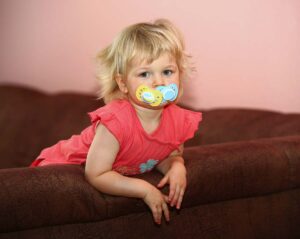
Pacifiers: They’ve been a source of comfort for crying babies for countless generations. As a parent, you appreciate the calm a pacifier can bring to your little one. However, you may also have questions about their impact on your child’s oral health. Are they helpful or harmful? And when is the right time to wean your child off? At Luna Pediatric Dentistry, your premier kids dentist in Richmond, we understand your concerns. In this article, we will delve into the pros and cons of pacifier use and provide practical tips on when and how to help your child let go of their ‘binky’.
Table of Contents
Understanding Pacifiers and their Role
The urge to suck is a natural reflex for babies. It helps them relax and even aids in their digestion. That’s where pacifiers come in. These small, nipple-like tools can provide a source of comfort for your little one during periods of distress or before bedtime. However, like most things, pacifiers come with their set of advantages and disadvantages.
The Pros of Pacifier Use
- Soothing and calming: Pacifiers can be a great calming tool for fussy babies. They can also help your baby fall asleep more easily.
- Pain relief: The sucking motion can help relieve discomfort when your baby is teething or undergoing painful procedures such as vaccinations.
- Reduced risk of Sudden Infant Death Syndrome (SIDS): According to the American Academy of Pediatrics, using a pacifier during sleep can reduce the risk of SIDS for infants.
The Cons of Pacifier Use
- Dental issues: Extended pacifier use can lead to dental problems such as misaligned teeth, improper mouth growth, and changes in the roof of the mouth, especially when used beyond the age of 2-3 years.
- Middle ear infections: Some studies suggest a connection between pacifier use and an increased risk of middle ear infections.
- Dependence: Some children can become dependent on their pacifier for comfort, making it difficult for parents to wean them off.
Understanding these pros and cons can help you make an informed decision about pacifier use for your child. If you decide to use a pacifier, it’s important to do so wisely to minimize potential downsides.
Smart Pacifier Use
Not all pacifiers are created equal. When choosing a pacifier, look for a one-piece model with a soft nipple. The shield should be at least 1.5 inches across to prevent your baby from putting the entire pacifier into their mouth. Also, look for ventilation holes in the shield for safety.
Pacifiers should be replaced every two months and cleaned often to ensure they’re free from bacteria. Never dip a pacifier in sweet substances like honey or sugar, as this can lead to cavities.
If you’re breastfeeding, consider waiting until your baby is 3-4 weeks old and you’ve established a nursing routine before introducing a pacifier. This helps to avoid “nipple confusion”, where your baby may prefer the pacifier nipple over the mother’s.
Remember to offer the pacifier to your baby, not force it. If your baby refuses the pacifier, don’t push it. And if the pacifier falls out of your baby’s mouth while they’re sleeping, don’t pop it back in.
Weaning Your Child Off the Pacifier
There is no hard and fast rule about when to start weaning your child off a pacifier. However, most experts agree that by the age of 2, extended pacifier use could start affecting your child’s oral health. At Luna Pediatric Dentistry, we believe that weaning should be a gradual and compassionate process. Here are some steps to help make the transition smoother for your little one:
- Start slowly: Begin by limiting pacifier use to certain times like nap time or bedtime. This helps your child associate the pacifier with sleep, making it easier to remove during waking hours.
- Offer alternatives: There are plenty of soothing alternatives to a pacifier. For older toddlers, a soft blanket or a favorite toy can provide the comfort they are seeking. For younger babies, try distracting them with a game or activity when they reach for the pacifier.
- Employ gentle persuasion: For toddlers, a little reasoning can go a long way. Explain in simple terms that they are growing up and don’t need the pacifier anymore. Be consistent and patient, as it will take time for the message to sink in.
- Use positive reinforcement: Praise your child when they go without the pacifier and consider offering small rewards as an incentive.
- Make it taste bad: If other methods are not working, consider applying a safe, bitter-tasting substance to the pacifier. The unpleasant taste might discourage your child from using it.
- Enlist the help of storybooks: There are numerous children’s books available about saying goodbye to the pacifier. Reading these books together can help your child understand that they are not alone in this transition.
The Role of Your Pediatric Dentist
Navigating the pacifier journey can feel daunting, but remember, you don’t have to do it alone. At Luna Pediatric Dentistry, your trusted kids dentist in Richmond, we are here to support you every step of the way. Regular dental check-ups are crucial during this phase to monitor your child’s oral development and ensure any issues are addressed early.
We believe in personalized care, taking the time to understand each child’s unique needs and providing tailored advice. Our team is always ready to answer your questions, address your concerns, and guide you in making the best choices for your child’s oral health.
The Impact of Oral Habits on Dental Development
Oral habits such as prolonged pacifier use or thumb sucking are not uncommon in early childhood. While they can serve as self-soothing techniques for toddlers, these habits can potentially impact dental development when continued beyond a certain age.
- Tooth Alignment and Jaw Development: These habits can exert pressure on the teeth, jaw, and soft tissues in the mouth, potentially leading to issues like open bite, crossbite, or changes in the shape of the roof of the mouth.
- Speech and Swallowing: Extended pacifier use or thumb sucking can also impact your child’s speech development and swallowing patterns. This is due to changes in the tongue’s posture and movement that these habits can induce.
- Social Impact: Older children who continue these habits may face social stigma from their peers, which can affect their self-confidence and social interactions.
Breaking the Habit: A Step-by-step Guide
Breaking oral habits can be a challenging task both for you and your child. It requires a lot of patience, understanding, and most importantly, a positive and supportive approach. Here’s a step-by-step guide to help your child break the habit:
- Identify the triggers: Understanding what triggers your child to reach for the pacifier or suck their thumb can help you find alternative soothing techniques. Is it during bedtime, when they are bored, or when they feel anxious?
- Introduce a ‘Pacifier Fairy’: Much like the ‘Tooth Fairy’, you can create a story about a ‘Pacifier Fairy’ who collects pacifiers from big kids who don’t need them anymore and gives them to the babies who need them. You can then ‘send off’ the pacifiers with a special ceremony.
- Create a progress chart: A visual representation of your child’s achievement can work wonders. Create a progress chart and let your child put a sticker for each day they go without a pacifier. Celebrate milestones with small rewards or treats.
- Involve the child in decision-making: Let your child choose the alternative comfort object they want to transition to. This could be a soft toy, a blanket, or a new storybook.
Your Role as a Parent
While these techniques can help, it’s important to remember that every child is unique. What works for one might not work for another. Be patient and give your child time to adjust to the change. Encourage and support them throughout the process.
As parents, it’s also crucial to model good oral habits for your child. Regular brushing, flossing, and visits to the dentist not only ensure your oral health but also set a positive example for your child.
At Luna Pediatric Dentistry, we understand that parenting is a journey, and we want to be your trusted partner in ensuring your child’s oral health. If you’re looking for a ‘dentist near me’ for your child in Richmond, we’re here to help.
Conclusion
Pacifiers can be a useful tool in calming and comforting your baby, but they should be used wisely and in moderation. As a parent, understanding the benefits and potential pitfalls of pacifier use is the first step towards making informed decisions for your child’s oral health.
At Luna Pediatric Dentistry, we are committed to providing high-quality, comprehensive dental care for children of all ages. From your baby’s first tooth to their transition into adolescence, we are here to help navigate all stages of your child’s oral health journey.
Looking for a “dentist near me” in Richmond, TX? Reach out to Luna Pediatric Dentistry today. Let us partner with you in ensuring your child’s smile remains bright, healthy, and beautiful at every stage of their growth and development. Your child’s smile is our passion, and their health is our priority.