 (713) 360-0850
Luna Pediatric Dentistry offers high-quality family dental care. Our team takes pride in protecting the oral health of our patients while offering a variety of painless dental treatments, from dental restoration to cosmetic dentistry.
We use tooth-colored fillings as cavity treatment for kids and adults. You can read about these modern dental fillings below. If you would like to learn more about Luna Pediatric Dentistry services or would like an appointment, please feel free to contact us.
Table of Contents
Introduction: What are Tooth-Colored Fillings?
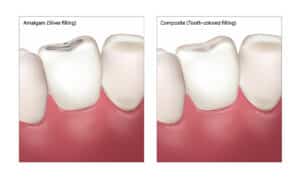
Tooth-colored fillings are also called composite fillings. They’re made of composite resin, which is a resin base mixed with powdered quartz, silica, or glass. We color match the filling to the surrounding tooth, which results in natural-looking fillings.
See also: What to do if my baby has cavity
How Did We Go from Traditional Metal Fillings to Modern Composite Fillings?
Dentists traditionally used amalgam fillings. These silver-colored fillings were a mix of metals that included mercury, copper, tin, and silver. They were popular because they were durable and affordable.
However, there are downsides. People questioned the safety of including mercury in the fillings. In addition, the silver-colored fillings are very noticeable and can stain the surrounding tooth over time. The metal fillings can also change shape when exposed to temperature changes. This causes them to expand and contract. Over time, this warping can create cracks and structural problems in the surrounding tooth.
These disadvantages led to the creation of composite fillings in the 1960s.
The Benefits of Tooth-Colored Fillings for Adults
This modern dental filling has several benefits over amalgam fillings.
Composite Fillings are Aesthetic
As adults, we want to maintain the appearance of permanent teeth. Our color-matched tooth-colored fillings blend seamlessly with the rest of your smile. Unlike amalgam fillings, the materials in composite fillings do not cause stains to the surrounding tooth. Therefore, these aesthetic dental fillings allow adults to maintain the look of their natural smile while still ensuring tooth decay prevention.
Composite Fillings are Durable and Functional
When we approach dental care for adults, we prioritize durability and functionality. After all, adult teeth must last us for life!
When we place composite fillings, we don’t need to remove as much of the natural tooth. This is good for overall oral health and recovery. These modern dental fillings also bond directly to the tooth. This seals and protects the tooth, preventing tooth decay. Moreover, composite fillings are less likely to change their shape due to temperature changes. Not only does this mean they’re less likely to cause damage to the surrounding tooth, but they’re also less likely to break or fall off over time.
Durable dental fillings mean fewer trips to the dental office and more years with full functionality of your filled teeth.
The Benefits of Tooth-Colored Fillings for Kids
It is important to maintain healthy baby teeth. Although they are temporary, they are placeholders that help adult teeth come in correctly. Safe and gentle pediatric dental care builds a child’s confidence at the dentist and forms good habits for long term oral health. Therefore, when children get dental cavities, we encourage you to address them as soon as possible.
Composite Fillings for Children are Safe and Comfortable
Our pediatric dental care team is committed to safe dental fillings for children. Composite fillings are a safe and comfortable option. For instance, the composite resin is a BPA-free and mercury-free material. They’re also natural-looking fillings that ensure that your child can still feel confident in their smile.
The filling process is also gentler and less invasive than that of amalgam fillings. The filling process does not require drilling, which allows us to keep and protect more of the natural tooth. Therefore, recovery is easier. Also, we complete most filling procedures in one trip. When preventing tooth decay, a more efficient intervention is better for the dental health for children.
Composite Fillings Prevent Future Decay
Tooth-colored fillings help protect young teeth and prevent future cavities. Composite fillings seal the cavity and repair the tooth structure, stopping tooth decay from spreading to surrounding areas. As a result, the filling increases dental health for children and reduces the need for future fillings.
Tooth-Colored Fillings VS Metal Fillings
Here is a quick summary of the differences between composite fillings and amalgam fillings.
Appearance
Composite fillings use a color-matched resin mix. This results in a natural-looking filling.
Amalgam fillings are silver-colored. They are noticeable and less aesthetic, especially when placed in the front part of the mouth.
Material
Composite fillings are made from a resin composite. Specifically, resin base mixed with powdered quartz, silica, or glass.
Amalgam fillings contain a mix of mercury, copper, tin, and silver.
Durability
Composite fillings are fairly durable. The procedure preserves more of the natural tooth, which is good for overall oral health. They’re also less likely to change shape and crack the surrounding tooth due to temperature changes. However, tooth-colored fillings can be prone to wear in high pressure areas, such as back molars.
Amalgam fillings are more resistant to pressure. Therefore, they’re often placed on the chewing surfaces of molars. However, these metal fillings can be temperature sensitive. Over time, changes in shape can cause stress on the surrounding tooth.
Overall Health Implications
Composite fillings are considered safe. They are metal-free and BPA-free. In addition, they are a good option for patients who are sensitive to metal.
Amalgam fillings contain mercury and other metals. However, the American Dental Association (ADA) has deemed the metal filling as not a health risk when used according to guidelines.
Cost Considerations and Insurance Coverage
How Much Do Tooth-Colored Fillings Cost?
Without insurance, the cost of a tooth-colored filling typically ranges from $90 to $450 depending on the size and location of the filling.
Does Insurance Cover the Cost of a Tooth-Colored Filling?
Dental insurance for fillings usually covers a part of the cost. The exact coverage will depend on your plan and the procedure you need. Many plans offer 80% coverage after meeting an annual deductible. For kids insured by Texas’s CHIP, the plan covers one tooth per 12 months for tooth-colored composite fillings for children.
We also offer a Luna Membership Plan. Not only does the plan include 2 dental cleanings per year, which is an important step in dental hygiene for kids, but it also includes a 20% discount on all pediatric dental treatments. This includes dental fillings for kids.
If you have questions about the cost or the details of dental insurance coverage for you or your child, please reach out to Luna Pediatric Dentistry for a personalized consultation.
Maintaining and Caring for Tooth-Colored Fillings
Best Practices for Maintaining the Longevity and Appearance of Composite Fillings
Proper care is key to long-lasting fillings. If you don’t take care of your teeth, food or bacteria can build up around the filling, causing staining or decay. This might damage your filling or the surrounding tooth, requiring further dental intervention.
Good oral hygiene goes a long way toward maintaining dental fillings. Brush and floss your teeth regularly. Floss gently around your teeth to remove trapped food. Also, brush your teeth with fluoride toothpaste at least twice a day for at least two minutes. A mouthwash can also help clean and strengthen your teeth.
Regular dental cleaning sessions – every six months – are also essential. Fillings can trap food particles which can lead to decay if left unaddressed. These sessions help remove plaque buildup from hard to reach places, help protect your teeth and gums, and help in maintaining dental fillings long term.
After the Filling: Tips for Both Kids and Adults
Immediately after you receive your filling, it’s important to be gentle around that area. Allowing the filling time to settle will help in maintaining long-lasting fillings.
Avoid acidic foods and drinks immediately after the filling, as these can erode your tooth’s enamel and make them more sensitive or more likely to decay. You should also avoid hard, chewy, or sticky food, as these may cause problems with your filling. Also, pay attention to any foods that make the area of your filling feel sensitive.
You or your child might experience tooth sensitivity after the filling. If there is pain, or if the sensitivity lasts longer than a few weeks, be sure to contact your dentist for a follow up.
Conclusion: Are Tooth-Colored Fillings Right for You or Your Child?
Tooth-colored fillings for adults and children are a durable and aesthetic choice. They are made from safe materials that also protect and blend in with the natural tooth.
It’s important to talk to an experienced and professional dentist to get personalized advice on dental care for kids or adults. If you’re thinking about tooth-colored fillings for yourself or your child, please give Luna Pediatric Dentistry a call. Our board-certified pediatric dentists specialize in gentle, effective, and quality care in Aliana, Sugarland, and Richmond, Texas. We’re here to answer any questions you might have about the process.
See also: Root canal treatment for kids