 (713) 360-0850
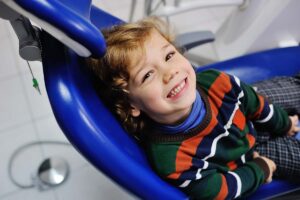
When it comes to children’s dental health, preserving their smiles and ensuring proper dental development are essential. In certain cases, pediatric dentists may recommend the use of pediatric partial dentures, commonly known as pedi partials. Pedi partials are custom-made dental appliances designed to replace missing teeth and restore proper oral function in children. In this comprehensive article, we will explore what pedi partials are, why your pediatric dentist may recommend them, and the numerous benefits they offer. By understanding the role of pedi partials, you can make informed decisions about your child’s dental care.
Table of Contents
What Are Pedi Partials?
- Definition and Description: Provide a detailed explanation of pedi partials, highlighting their purpose, construction, and materials used. Explain how they differ from traditional partial dentures.
- Customization: Emphasize the importance of custom-made pedi partials to ensure a proper fit, comfort, and natural appearance.
- Types of Pedi Partials: Briefly discuss the different types of pedi partials available, such as removable and fixed options, and when each may be recommended.
Why Your Pediatric Dentist May Recommend Pedi Partials
- Early Tooth Loss: Explore common causes of early tooth loss in children, such as tooth decay, trauma, or congenital abnormalities.
- Impact on Dental Development: Explain how the premature loss of primary (baby) teeth can affect the eruption and alignment of permanent teeth, leading to potential bite problems and orthodontic issues.
- Speech and Chewing Function: Discuss how missing teeth can affect a child’s ability to speak clearly and properly chew their food, potentially leading to nutritional deficiencies.
- Psychological and Social Impact: Highlight the emotional and social implications of tooth loss in children, including self-esteem issues and reluctance to smile or engage in social activities.
Benefits of Pedi Partials for Children
- Dental Health Restoration: Discuss how pedi partials help restore proper dental function, allowing children to eat a balanced diet and maintain healthy oral hygiene.
- Speech Improvement: Explain how pedi partials can improve speech clarity by replacing missing teeth and restoring proper tongue and lip support.
- Esthetic Enhancement: Emphasize how pedi partials can enhance a child’s appearance, providing a natural-looking smile and boosting their confidence.
- Preventing Dental Complications: Highlight how pedi partials can prevent potential complications associated with tooth loss, such as malocclusion, shifting of teeth, and temporomandibular joint (TMJ) disorders.
- Supporting Dental Development: Discuss how pedi partials can help maintain the space needed for permanent teeth to erupt properly, preventing crowding and alignment issues.
The Process of Getting Pedi Partials
- Comprehensive Dental Evaluation: Explain the importance of a thorough dental examination, including X-rays and impressions, to determine the need for pedi partials and plan the treatment.
- Customization and Fabrication: Describe the process of creating pedi partials, from taking precise impressions of the child’s mouth to the laboratory fabrication of the appliance.
- Fitting and Adjustment: Discuss how the pediatric dentist ensures a proper fit and adjusts the pedi partials for optimal comfort and function.
- Oral Hygiene and Maintenance: Provide guidelines for maintaining good oral hygiene with pedi partials, including proper cleaning techniques and regular dental visits for adjustments and evaluations.
Caring for Pedi Partials and Potential Limitations
- Daily Care and Maintenance: Provide instructions for cleaning and storing pedi partials, emphasizing the importance of maintaining oral hygiene and avoiding damage to the appliance.
- Dietary Considerations: Offer dietary recommendations to prevent damage to pedi partials, such as avoiding sticky or hard foods that may dislodge or break the appliance.
- Regular Follow-ups: Emphasize the importance of regular follow-up visits with the pediatric dentist to monitor the fit, function, and condition of the pedi partials.
- Potential Limitations: Discuss any potential limitations or challenges associated with wearing pedi partials, such as temporary adjustment period, speech changes, or necessary lifestyle modifications.
Common Causes of Tooth Loss in Children: How Pedi Partials Can Help Preserve Their Smiles
Tooth loss in children can occur due to various factors, impacting their oral health, speech, and overall well-being. As a parent, understanding the common causes of tooth loss in children is essential for early intervention and appropriate dental care. Pedi partials, custom-made dental appliances, offer a valuable solution to address the effects of missing teeth. In this article, we will explore the common causes of tooth loss in children and how pedi partials can help preserve their smiles and ensure optimal dental development.
- Tooth Decay and Cavities: Tooth decay and cavities are the leading causes of tooth loss in children. Poor oral hygiene, excessive consumption of sugary foods and drinks, and irregular dental check-ups contribute to tooth decay. The resulting cavities can progress to the point where teeth become severely compromised and require extraction. Pedi partials can fill the gaps left by missing teeth, preventing further oral health issues and maintaining proper dental function.
- Trauma and Accidents: Children are prone to accidents and injuries, which can result in tooth loss. Falls, sports-related incidents, or other traumatic events can lead to the avulsion (complete displacement) or partial loss of teeth. Pedi partials provide a reliable solution by replacing missing teeth, restoring aesthetics, and supporting normal oral function. Immediate dental intervention is crucial in cases of dental trauma to increase the chances of saving the affected tooth or providing a suitable replacement.
- Congenital Abnormalities and Genetic Factors: Some children may experience tooth loss due to congenital abnormalities or genetic factors. Conditions such as ectodermal dysplasia, cleft lip and palate, or developmental defects can affect the formation and eruption of teeth, resulting in early tooth loss. Pedi partials offer a way to manage these cases by replacing missing teeth, facilitating proper dental development, and enhancing the child’s appearance and confidence.
- Severe Dental Decay and Early Childhood Caries: Early childhood caries, also known as baby bottle tooth decay or nursing caries, is a significant dental health issue among young children. Prolonged exposure to sugary liquids, such as milk or juice, from bottles or sippy cups can lead to rapid tooth decay, causing tooth loss in severe cases. Pedi partials play a crucial role in restoring the affected areas, ensuring proper chewing function, and preventing further dental complications.
- Premature Loss of Primary Teeth: The early loss of primary (baby) teeth can occur due to various reasons, including dental infections, trauma, or developmental abnormalities. Premature tooth loss can disrupt the normal eruption pattern of permanent teeth, leading to alignment issues, crowding, or impaction. Pedi partials help maintain the space necessary for proper eruption, guiding the permanent teeth into their correct positions and promoting healthy dental development.
The Process of Getting Pedi Partials: A Step-by-Step Guide for Parents
When it comes to addressing missing teeth in children, the process of obtaining pedi partials involves careful planning, customization, and collaboration between the pediatric dentist, dental laboratory, and parents. Understanding what to expect during this process can help alleviate any concerns or uncertainties. In this article, we provide a step-by-step guide for parents, outlining the process of getting pedi partials for their child, from the initial evaluation to the final fitting and maintenance.
- Comprehensive Dental Evaluation: The journey begins with a comprehensive dental evaluation conducted by a pediatric dentist. The dentist will examine your child’s teeth, gums, and oral structures, and assess the need for pedi partials. This evaluation may include X-rays, impressions, and digital scans of your child’s mouth to obtain precise measurements and determine the best course of treatment.
- Treatment Planning and Customization: Based on the evaluation, the pediatric dentist will develop a personalized treatment plan for your child. This plan takes into account the number of missing teeth, the condition of the remaining teeth, and the overall dental health of your child. The pedi partials are then custom-made to fit your child’s unique dental anatomy, ensuring optimal comfort, function, and aesthetics.
- Impression and Bite Registration: During this phase, your child’s dentist will take detailed impressions of their mouth. These impressions capture the exact contours of the gums and remaining teeth to guide the construction of the pedi partials. Additionally, a bite registration may be taken to ensure proper alignment and bite function once the pedi partials are in place.
- Laboratory Fabrication: The impressions and bite registration are sent to a specialized dental laboratory where skilled technicians fabricate the pedi partials. The technicians use high-quality materials and advanced techniques to create custom-made pedi partials that closely match the color, shape, and size of your child’s natural teeth. The fabrication process usually takes a few weeks.
- Fitting and Adjustment: Once the pedi partials are ready, your child will return to the dental office for a fitting appointment. The pediatric dentist will carefully place the pedi partials in your child’s mouth, ensuring a proper fit and making necessary adjustments for comfort and function. Your child may be asked to bite and speak to assess the fit and make additional adjustments if needed.
- Oral Hygiene and Maintenance: The pediatric dentist will provide instructions on how to care for the pedi partials and maintain good oral hygiene. This includes proper cleaning techniques, such as daily brushing of the pedi partials and remaining teeth, as well as regular dental visits for check-ups and adjustments. Following these guidelines will help ensure the longevity and effectiveness of the pedi partials.
- Ongoing Follow-up and Evaluation: After the initial fitting, your child will have periodic follow-up visits with the pediatric dentist to monitor the condition of the pedi partials and the overall oral health. These visits provide an opportunity to address any concerns, make necessary adjustments, and assess the growth and development of your child’s teeth.
Finding the Right Pediatric Dentist for Pedi Partials
- Importance of Specialized Pediatric Dentistry: Highlight the significance of seeking care from a pediatric dentist who specializes in treating children, as they possess the expertise and experience to address the unique dental needs of young patients.
- Research and Recommendations: Provide tips on how to find a reputable pediatric dentist who can assess your child’s specific dental situation and recommend the most appropriate treatment, including pedi partials.
- Communication and Comfort: Emphasize the importance of open communication with the pediatric dentist, as well as ensuring a comfortable and child-friendly environment for your child’s dental visits.
Conclusion
Pedi partials play a vital role in restoring smiles and promoting proper dental development in children with missing teeth. By understanding what pedi partials are, why they may be recommended by a pediatric dentist, and the numerous benefits they offer, you can make informed decisions about your child’s dental care. Remember to consult with a specialized pediatric dentist who can guide you through the process of obtaining pedi partials and provide ongoing support and care for your child’s dental needs. With pedi partials, your child can enjoy a healthy, functional, and confident smile for years to come.