 (713) 360-0850
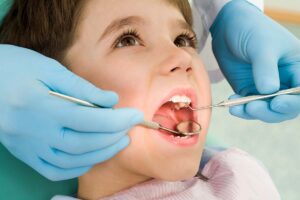
Caring for your child’s teeth is crucial to their overall health and well-being. As a parent, it’s important to teach your child good dental habits from a young age and ensure they receive regular dental check-ups. In this blog post, we’ll discuss some effective strategies for keeping your child’s teeth healthy, including the benefits of pediatric sedation dentistry, the importance of early dental care, sedation dentists in Richmond for kids, lip tie in infants and toddlers, and two-year molars.
Table of Contents
Importance of Early Dental Care
The American Academy of Pediatric Dentistry recommends that children have their first dental visit by the age of one, or when their first tooth appears. Early dental visits are important for several reasons. Firstly, they help to establish a dental home for your child. This means finding a trusted pediatric dentist who can provide routine dental care, monitor your child’s dental development, and address any dental issues as they arise.
Early dental visits also give your child a chance to get comfortable with the dental environment and develop a positive attitude towards dental care. Dental anxiety is common among children, and early exposure to dental care can help to alleviate their fears and concerns. By making dental visits a routine part of their healthcare, your child will be more likely to maintain good dental habits into adulthood.
Benefits of Pediatric Sedation Dentistry
Some children may experience dental anxiety or have special needs that make dental visits difficult. In these cases, pediatric sedation dentistry can be a helpful option. Sedation dentists in Richmond for kids are specially trained to provide safe and effective sedation options for children. Sedation can help to calm anxious children, reduce discomfort during dental procedures, and make dental visits more tolerable overall.
It’s important to note that sedation dentistry is not appropriate for every child or every situation. Your pediatric dentist will assess your child’s needs and medical history to determine whether sedation is a suitable option. They will also provide you with instructions on how to prepare for sedation, what to expect during the procedure, and how to care for your child after the procedure.
Lip Tie in Infants and Toddlers
Lip tie is a condition that occurs when the tissue connecting the upper lip to the gum is too thick or tight. This can cause feeding difficulties, speech issues, and dental problems in some cases. If you notice that your child is having difficulty latching during breastfeeding or has speech delays, it’s worth consulting with a pediatric dentist or lactation consultant to determine whether lip tie may be a contributing factor.
In some cases, lip tie may need to be corrected through a simple surgical procedure called a frenectomy. This involves cutting or loosening the tissue connecting the lip to the gum, allowing for greater mobility and function.
Early Childhood Caries (ECC)
Early childhood caries is a severe form of tooth decay that can occur in children under the age of six. ECC can cause pain, infection, and other complications if left untreated. Some common risk factors for ECC include frequent snacking or sipping on sugary drinks, poor oral hygiene, and lack of fluoride exposure.
To prevent ECC, it’s important to establish good dental habits early on. This includes brushing your child’s teeth twice a day with fluoride toothpaste, limiting sugary snacks and drinks, and encouraging your child to drink plenty of water. Regular dental check-ups can also help to catch and treat any signs of decay before they become more serious.
Two-Year Molars
At around the age of two, your child’s molars will begin to emerge. These are called “two-year molars” or “second molars.” They are located at the back of the mouth and are crucial for chewing and grinding food. It’s important to take care of these teeth as they are susceptible to decay and can cause discomfort if not properly cared for.
To help your child deal with the discomfort of teething, try giving them a cold teething ring or a clean, damp washcloth to chew on. This can help alleviate the pain and irritation caused by teething.
Pediatric Sedation Dentistry
While preventive care is always the best approach, some children may require dental procedures that may cause anxiety or fear. In such cases, pediatric sedation dentistry can be a safe and effective option to help your child feel more comfortable during their dental visit.
Pediatric sedation dentistry involves administering medication to help your child relax and remain calm during their dental procedure. There are different types of sedation dentistry available, depending on the needs of your child and the complexity of the procedure. The most common types of sedation used in pediatric dentistry are nitrous oxide (also known as laughing gas), oral sedation (medication taken by mouth), and general anesthesia (administered through an IV).
It’s important to choose a reputable sedation dentist in Richmond for your child’s dental needs. At Luna Pediatric Dentistry, we have a team of highly skilled and experienced professionals who are trained in providing sedation dentistry for children. Our goal is to ensure your child’s safety and comfort during their dental procedure.
Importance of Early Dental Care
Early dental care is essential to maintaining your child’s oral health. Starting dental visits at an early age can help detect any dental issues early on and prevent them from developing into more serious problems.
According to the American Academy of Pediatric Dentistry, children should have their first dental visit by the age of one or within six months after their first tooth appears. During this visit, the dentist will examine your child’s mouth, teeth, and gums and provide guidance on proper dental care.
Regular dental checkups should be scheduled every six months to ensure your child’s teeth are developing correctly and any dental issues are addressed promptly. At Luna Pediatric Dentistry, we offer comprehensive dental services for children of all ages, including dental exams, cleanings, and restorative treatments.
FAQs for parents about children’s dental health:
- When should my child have their first dental visit? Children should have their first dental visit by the age of one or within six months of the eruption of their first tooth. This allows the dentist to monitor your child’s oral health and catch any potential issues early.
- What can I do if my child is afraid of the dentist? It’s not uncommon for children to be afraid of the dentist, but there are several things you can do to help ease their fears. First, choose a pediatric dentist who is experienced in working with children and has a friendly demeanor. Second, prepare your child for the visit by explaining what will happen in a positive and age-appropriate way. Third, consider using sedation dentistry, which can help your child feel more comfortable during the appointment.
- How often should my child brush and floss their teeth? Children should brush their teeth twice a day for two minutes each time, and floss at least once a day. Parents should supervise brushing until their child is able to do it effectively on their own, usually around age 6 or 7.
- Should my child use fluoride toothpaste? Yes, fluoride toothpaste can help strengthen tooth enamel and prevent cavities. For children under 3 years old, a small smear of toothpaste is sufficient. For children 3-6 years old, use a pea-sized amount of toothpaste.
- What should I do if my child has a cavity? If you suspect your child has a cavity, make an appointment with a pediatric dentist as soon as possible. The dentist can examine the tooth and recommend appropriate treatment, which may include a filling or a dental crown.
- How can I prevent my child from getting cavities? In addition to regular brushing and flossing, there are several steps you can take to prevent cavities in your child. Limit sugary foods and drinks, encourage healthy eating habits, and ensure your child receives regular dental checkups and cleanings.
Conclusion
Keeping your child’s teeth healthy is essential for their overall health and well-being. By following the tips and recommendations discussed in this article, you can help prevent cavities, detect any dental issues early on, and ensure your child receives the best possible dental care.
Remember, regular dental visits, a healthy diet, and good oral hygiene habits are the keys to maintaining your child’s oral health. If you are looking for a pediatric dentist in Richmond, Texas, come and visit us at Luna Pediatric Dentistry. Our team of dental professionals is dedicated to providing exceptional dental care for children of all ages.