 (713) 360-0850
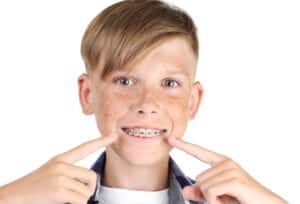
As a parent, it’s important to ensure your child’s oral health is in top shape, especially during orthodontic treatment. Braces and other orthodontic appliances can make it challenging to maintain good oral hygiene, which can lead to dental problems. In this article, we’ll discuss tips for caring for your child’s teeth during orthodontic treatment.
Table of Contents
Brushing and Flossing
Brushing and flossing are crucial to maintaining good oral hygiene, but it’s even more important during orthodontic treatment. Braces and other appliances can trap food particles, making it harder to remove them with regular brushing and flossing. Make sure your child brushes their teeth at least twice a day, and use a fluoride toothpaste to prevent decay. Flossing should be done at least once a day, and it’s important to use floss threaders or orthodontic floss to clean between the brackets and wires.
Choosing the Right Toothbrush
Choosing the right toothbrush is important, especially during orthodontic treatment. A soft-bristled toothbrush is best for cleaning the teeth and gums without causing any damage to the braces or appliances. Electric toothbrushes can also be effective in removing plaque and food particles, but make sure to choose one with a small head that can reach all areas of the mouth.
Using Mouthwash
Mouthwash can be a helpful addition to your child’s oral hygiene routine. It can help kill bacteria and freshen breath, but it should not be used as a substitute for brushing and flossing. Look for a mouthwash that is alcohol-free, as alcohol can cause dry mouth and irritate the gums. Your child can use mouthwash after brushing and flossing to ensure their mouth is thoroughly clean.
Avoiding Certain Foods
Certain foods should be avoided during orthodontic treatment to prevent damage to the braces or appliances. Sticky or hard foods, such as gum, candy, popcorn, and hard nuts, can damage the braces or wires and cause them to become loose. Your child should also avoid biting into hard foods, like apples or carrots, and cut them into small pieces instead.
Attending Regular Dental Appointments
Regular dental check-ups and cleanings are important during orthodontic treatment. Your child’s dentist or orthodontist will check for any issues, such as cavities or gum disease, and make sure the braces or appliances are in good condition. They may also recommend fluoride treatments or sealants to help protect the teeth.
Dealing with Emergencies
In case of an emergency, it’s important to know what to do to prevent further damage. If a wire or bracket becomes loose or breaks, your child should contact their orthodontist immediately to schedule an appointment to have it repaired. If a wire is poking or causing discomfort, use orthodontic wax to cover the area and prevent irritation.
The Dos and Don’ts of Caring for Your Child’s Teeth During Orthodontic Treatment: Expert Tips from Luna Pediatric Dentistry
Do’s:
- Brush and floss regularly: Brush your child’s teeth at least twice a day and floss at least once a day. This will help remove food particles and plaque that can build up around braces or aligners.
- Use a fluoride toothpaste: Fluoride strengthens tooth enamel and helps prevent tooth decay. Make sure your child uses a toothpaste with fluoride when brushing their teeth.
- Visit the dentist regularly: Regular dental checkups and cleanings are important during orthodontic treatment. Your child’s dentist can monitor their dental health and address any issues before they become bigger problems.
- Eat a balanced diet: A healthy diet is important for overall health, including dental health. Encourage your child to eat a balanced diet with plenty of fruits and vegetables, and limit sugary and acidic foods and drinks.
- Wear a mouthguard during sports: Orthodontic appliances can increase the risk of injury to the mouth during sports. Make sure your child wears a mouthguard to protect their teeth and braces or aligners.
- Keep orthodontic appliances clean: Regularly clean your child’s braces or aligners to prevent food particles from getting trapped and causing tooth decay. Use a soft-bristled toothbrush and orthodontic cleaner as recommended by your orthodontist.
- Use interdental brushes or floss threaders: Interdental brushes and floss threaders can help clean between teeth and around braces or aligners where a regular toothbrush may not reach.
- Stay hydrated: Drinking plenty of water can help rinse away food particles and bacteria and keep your child’s mouth hydrated.
- Consider an electric toothbrush: An electric toothbrush can make brushing easier and more effective, especially for children with braces.
- Stay patient and positive: Orthodontic treatment can take time and require adjustments, but staying patient and positive can help your child feel more comfortable and motivated.
Don’ts:
- Don’t skip appointments: Regular appointments with your child’s orthodontist are essential for ensuring that their treatment is progressing as planned. Skipping appointments can cause delays in treatment and result in longer treatment times.
- Don’t neglect oral hygiene: It’s important to maintain good oral hygiene habits during orthodontic treatment. Encourage your child to brush and floss regularly, and consider using an interdental brush to clean between brackets and wires.
- Don’t eat hard, sticky, or crunchy foods: These types of foods can damage brackets and wires, which can delay treatment and require additional visits to the orthodontist.
- Don’t chew on objects: Chewing on objects such as pens or pencils can also damage brackets and wires, and should be avoided.
- Don’t play contact sports without a mouthguard: Mouthguards can protect your child’s teeth and braces during physical activity, reducing the risk of injury.
- Don’t ignore discomfort: It’s normal to experience some discomfort or soreness during orthodontic treatment, but if your child experiences severe pain or persistent discomfort, it’s important to contact their orthodontist.
- Don’t use teeth as tools: Using teeth to open packages or bottles can cause damage to braces and should be avoided.
- Don’t neglect diet: A balanced diet with plenty of vitamins and minerals is important for maintaining good oral health during orthodontic treatment.
- Don’t ignore broken or loose brackets: If a bracket or wire becomes loose or broken, it’s important to contact your child’s orthodontist right away to avoid delays in treatment.
- Don’t rush the process: Orthodontic treatment takes time and patience. Avoid trying to speed up the process by adjusting the braces or wires yourself, as this can cause damage and lead to longer treatment times. Trust the process and work with your child’s orthodontist to achieve the best results.
Conclusion
Caring for your child’s teeth during orthodontic treatment is important for maintaining good oral hygiene and preventing dental problems. Make sure your child brushes and flosses regularly, uses the right toothbrush and mouthwash, avoids certain foods, attends regular dental check-ups, and knows how to deal with emergencies. By following these tips, your child can achieve a healthy, beautiful smile. If you have any questions or concerns, contact your child’s dentist or orthodontist.