 (713) 360-0850
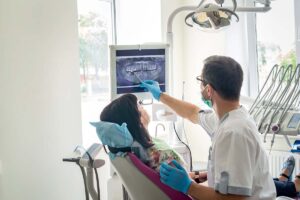
Table of Contents
Pulp Therapy: Healing the Heart of a Tooth at Luna Pediatric Dentistry
At Luna Pediatric Dentistry in Richmond, Texas, we understand that maintaining a child’s oral health involves more than just the external care of teeth. Sometimes, the very core of a tooth, known as the pulp, can become infected or damaged. When this occurs, pulp therapy is the healing touch needed to restore health to a child’s tooth.
What is the Pulp of a Tooth?
The pulp is the innermost part of a tooth, containing the nerves, blood vessels, and connective tissue. This living tissue plays a crucial role in the growth and nourishment of a tooth. When the pulp becomes infected or injured, it can cause pain and lead to further complications if left untreated.
What is Pulp Therapy?
Pulp therapy is a pediatric dental procedure that aims to preserve and heal the affected tooth. By treating the infected or damaged pulp, the tooth can often be saved, preventing the need for extraction. This therapy is particularly important for primary (baby) teeth, as it helps maintain the space needed for permanent teeth to erupt properly.
Why Pulp Therapy May Be Necessary
Pulp therapy becomes essential when the pulp inside a tooth is compromised due to:
- Cavities: Deep cavities can reach the pulp, causing infection.
- Trauma: Accidents or injuries can damage the pulp.
- Developmental issues: Some children may have dental issues that affect the pulp.
Types of Pulp Therapy
At Luna Pediatric Dentistry, we offer two main types of pulp therapy:
- Pulpotomy: Often referred to as a “baby root canal,” this procedure removes the infected portion of the pulp from the crown of the tooth, leaving the healthy pulp in the roots untouched.
- Pulpectomy: In cases where the entire pulp is affected, a pulpectomy removes all the pulp tissue from both the crown and the roots.
The Procedure: What to Expect
Pulp therapy is performed with the utmost care and precision at our Richmond, Texas clinic:
- Diagnosis: Using X-rays and examinations, the extent of the infection or damage is assessed.
- Treatment Plan: A tailored therapy plan is created based on the child’s specific needs.
- Sedation Options: Various sedation methods are available to ensure comfort.
- Treatment: Infected pulp is removed, and the area is cleaned and sealed.
- Restoration: Often, a crown is placed to strengthen the tooth and restore its appearance.
Aftercare and Recovery
Post-treatment care includes:
- Follow-up Appointments: To monitor healing and ensure the success of the treatment.
- Oral Hygiene Guidance: Instructions on proper care to prevent future issues.
- Pain Management: Any discomfort is typically minimal and can be managed with over-the-counter pain relievers.
Preventing Pulp Damage: Proactive Steps for Healthy Teeth
While pulp therapy is an effective treatment for infected or damaged pulp, prevention is always the best medicine. At Luna Pediatric Dentistry, we believe in educating our families in Richmond, Texas on how to take proactive steps to protect the inner health of their children’s teeth.
Maintain Regular Dental Check-ups
- Early Detection: Regular visits to the dentist can catch issues before they reach the pulp.
- Professional Cleanings: Thorough cleanings help prevent cavities that could lead to pulp problems.
Adopt a Healthy Diet
- Balanced Nutrition: A diet rich in vitamins and minerals supports overall dental health.
- Limit Sugar: Reducing sugary snacks and beverages minimizes the risk of cavities and subsequent pulp issues.
Teach Proper Oral Hygiene
- Effective Brushing: Teach children to brush thoroughly twice a day.
- Flossing: Encourage flossing to remove food particles between teeth.
- Use Fluoridated Toothpaste: Fluoride strengthens tooth enamel, helping to prevent cavities.
Utilize Dental Sealants
- Protection for Back Teeth: Dental sealants can be applied to molars to keep food and bacteria from settling in crevices.
Use Mouth Guards for Sports
- Prevent Trauma: If your child participates in contact sports, a mouth guard can protect teeth from injury, reducing the risk of pulp damage.
Foster Open Communication
- Encourage Expression: Encourage your child to speak up if they experience any dental discomfort. Early intervention can prevent minor issues from escalating to pulp damage.
By embracing these preventive measures, the need for pulp therapy can often be avoided. Our team at Luna Pediatric Dentistry is here to provide guidance, support, and education, empowering you to take control of your child’s dental health.
Conclusion
Pulp therapy is a specialized treatment that ensures the vitality of a child’s tooth. At Luna Pediatric Dentistry in Richmond, Texas, our expert team is committed to offering this vital service with compassion and excellence. Our goal is not just to treat but to educate and empower families to take proactive steps in maintaining their children’s dental health.
If you suspect your child may need pulp therapy or have any concerns about their oral health, we invite you to contact us. With state-of-the-art technology and a patient-centered approach, we’re here to make every smile a healthy one.