 (713) 360-0850
When it comes to your child’s smile, the basics sometimes aren’t enough. Brushing, flossing, and regular checkups matter, but deep grooves on back teeth can still trap food and bacteria. That’s where dental sealants come in. Sealants add a thin, protective layer over the chewing surfaces of teeth to help stop cavities before they start.
At Luna Pediatric Dentistry in Richmond, Texas, we use dental sealants as an important part of children preventive dentistry. In this guide, we focus on one key question: Do dental sealants really prevent cavities? We’ll explain what they are, how they work, who needs them, and how long they last so you can decide if they are right for your child or family.
If you are also wondering whether sealants are a good choice overall for kids, you may like our related article
Are Tooth Sealants Good for Children?
Table of Contents
What Are Dental Sealants for Teeth?
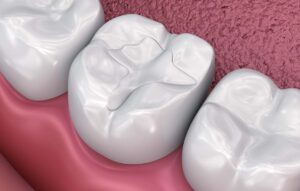
A dental sealant is a thin protective coating that a dentist applies to the chewing surfaces of teeth. It flows into the natural pits and grooves and then hardens, creating a smooth shield that helps keep out food, plaque, and bacteria.
Sealants do not replace fillings and they do not remove tooth structure. Instead, they focus on prevention. By sealing the deep grooves where cavities often start, sealants lower the chance of decay on those surfaces.
Back Teeth (Molars and Premolars)
Dental sealants are most effective on back teeth. Molars and premolars do most of the chewing and have deeper grooves that can be hard to clean completely, even with good brushing. A sealant covers those grooves and helps prevent bacteria from settling in and creating cavities.
Front Teeth With Deep Grooves
In some cases, front teeth have pits or small grooves as well. When those areas are at higher risk for cavities, a dentist may recommend a teeth protection coating on those surfaces too. This is less common than sealing molars, but it can be helpful in specific situations.
To learn more about how we protect children’s smiles overall, visit our article on
children preventive dentistry.
How Do Dental Sealants Help Prevent Cavities?
Cavities form when bacteria in plaque break down sugars and produce acids that attack tooth enamel. Those acids often collect in the pits and fissures of back teeth, where a toothbrush can’t always reach.
Dental sealants help prevent cavities by:
- Blocking food and plaque from settling into deep grooves
- Creating a smooth surface that is easier for your child to brush clean
- Reducing acid attacks on the enamel in vulnerable areas
Once a sealant is in place, it acts like a clear raincoat over the chewing surface. As long as it remains intact, it greatly lowers the chance that bacteria and food can reach the enamel and start decay in those grooves.
Types of Dental Sealants
There are two main types of dental sealants commonly used in dentistry today. Both can be effective when placed correctly.
Resin-Based Sealants
Resin-based sealants are the most common option. They are usually white or tooth-colored and bond directly to the enamel. These sealants:
- Work very well on permanent molars and premolars
- Can be used on baby teeth with deep grooves
- Provide a strong coating that resists chewing forces
Resin-based sealants sometimes include small amounts of fluoride or are used alongside fluoride products to support enamel strength.
Glass Ionomer Sealants
Glass ionomer sealants are another option. They bond chemically to the tooth and can slowly release fluoride over time. These sealants:
- Are often used when moisture control is more difficult
- Can help support enamel in high-risk patients
- May not last as long as some resin-based sealants but still provide valuable protection
Your dentist will select the sealant material that best fits your child’s needs and the conditions in their mouth.
Who Should Get Dental Sealants?
Children Around Age Six and Up
Many children benefit from sealants soon after their first permanent molars come in, usually around age six. Sealants can also be helpful on older children’s and teens’ molars, especially when:
- They have deep grooves on the chewing surfaces
- They already had cavities in baby teeth
- They snack frequently or drink sugary beverages
- They struggle to brush and floss thoroughly every day
Teens and Young Adults
Cavities are common during the teen and young adult years. Schedules get busy, diets include more snacks and drinks, and oral care sometimes slips. Sealants can help protect at-risk teeth when:
- Teeth have cracks, chips, or deep grooves
- Gaps between back teeth make cleaning harder
- There is a history of cavities in molars
Adults at Higher Risk for Cavities
Adults can benefit from sealants too, especially those who:
- Had multiple cavities in the past
- Have deep grooves or pits in their molars
- Drink sugary or acidic beverages frequently
- Have dry mouth or other conditions that increase cavity risk
Sealants are most commonly associated with children, but they can support cavity prevention for many ages when used as part of a complete preventive plan.
How Are Dental Sealants Applied?
The process of applying a dental sealant is quick, comfortable, and does not require drilling or numbing. A typical appointment includes these steps:
- Cleaning. The dentist or hygienist cleans the tooth surface to remove plaque and food.
- Drying. The tooth is dried and kept isolated from saliva.
- Etching. A gentle gel roughens the enamel microscopically so the sealant can bond strongly.
- Rinsing and drying again. The gel is rinsed off and the tooth is dried once more.
- Applying the sealant. The liquid sealant flows into the pits and grooves of the tooth.
- Curing. A special light hardens the sealant within seconds.
- Checking the bite. The dentist makes sure your bite feels normal and adjusts if needed.
Your child can usually eat and drink soon after the appointment unless the dentist gives specific instructions.
How Long Do Dental Sealants Last?
When it comes to sealing cavities before they start, longevity matters. Sealants can often last several years. Many stay effective for three to five years, and some last longer with good care.
Several factors affect how long a sealant lasts:
- How tightly it bonded to the enamel at placement
- Your child’s chewing habits (chewing ice or hard objects can wear it down faster)
- Brushing and flossing routines
- Regular dental visits to check and maintain the sealant
During checkups at Luna Pediatric Dentistry, we examine each sealant and repair or replace areas that show wear so protection stays strong.
How to Care for Teeth With Dental Sealants
Brush and Floss Daily
Sealants do not replace daily oral hygiene. Your child should still brush twice a day with fluoride toothpaste and floss daily. The smoother chewing surfaces can actually make brushing more effective.
Avoid Chewing Very Hard Objects
Biting down on ice, hard candy, kernels, or non-food objects can chip both enamel and sealant material. Avoid these habits to keep the sealant intact and teeth protected.
Replace Toothbrushes Regularly
A worn toothbrush does not clean well. Replace manual toothbrushes about every three months or sooner if bristles start to fray. For electric brushes, follow the manufacturer’s recommendation for changing brush heads.
Visit the Dentist Regularly
Regular checkups allow your dentist to monitor both teeth and sealants. If a sealant has worn away or chipped, we can repair it quickly before a cavity forms underneath.
Benefits of Dental Sealants for Cavity Prevention
Sealants Create a Protective Barrier
The main benefit of a dental sealant is that it creates a barrier between the tooth and plaque. By covering the grooves where plaque collects, sealants reduce the chance that bacteria will stay on the tooth long enough to damage enamel.
They Help Reduce Acid Attacks on Enamel
Bacteria in plaque produce acids that weaken enamel over time. Sealants help limit those acid attacks on the most vulnerable areas by physically blocking plaque from staying in the pits and fissures.
They Significantly Lower Cavity Risk
Studies show that properly placed sealants can greatly reduce the risk of cavities in sealed surfaces. When combined with fluoride, good home care, and healthy habits, they become a powerful tool in keeping your child’s teeth cavity-free.
They Last for Years
One sealant can protect a tooth for several years. Even if small repairs are needed, that long-term protection often means fewer fillings, less discomfort, and less time in the dental chair later on.
They Are Ideal for Teeth With Deep Grooves
Some children naturally have deeper grooves on their molars. These grooves catch food and are harder to clean, even with good brushing habits. Sealants smooth those surfaces and make it much harder for cavities to start.
Are There Downsides to Dental Sealants?
Not Every Tooth Needs a Sealant
If a tooth has very shallow grooves and low cavity risk, a sealant may not be necessary. Your dentist will decide based on your child’s mouth, habits, and dental history.
Sealants Are Not Permanent
Sealants are designed to last several years but not forever. They can wear down or chip over time, which is why regular dental visits are important. The good news is that they can usually be reapplied easily when needed.
Regular Care Still Matters
Sealants do not protect the entire tooth or all surfaces. Children still need to brush, floss, and visit the dentist. If those daily habits stop, cavities can still form in unsealed areas.
So, Do Dental Sealants Really Prevent Cavities?
In most cases, yes. Dental sealants significantly reduce the risk of cavities on the chewing surfaces of sealed teeth. They work best as part of a complete plan that includes good home care, healthy food choices, regular checkups, and other preventive services like
fluoride treatments for kids.
If you want a broader look at whether sealants are a good fit for your child, read
Are Tooth Sealants Good for Children?
for more details on benefits, safety, and what to expect.
At Luna Pediatric Dentistry, our goal is to help families in Richmond, Sugar Land, and surrounding communities prevent problems rather than just fix them. Sealants are one of the simplest and strongest tools we have to keep growing smiles healthy.
Dental Sealants in Richmond, Texas – Schedule a Visit
Wondering if dental sealants are the right choice to prevent cavities for your child? We are happy to examine their teeth, explain their cavity risk, and talk through all of your options in clear, parent-friendly language.
Ready to protect your child’s smile?
Call us at (713) 360-0850 or
request an appointment online with our pediatric dentist in Richmond, TX.
Dental Sealants and Cavities – Frequently Asked Questions
Do dental sealants really prevent cavities?
Are sealants only for children?
Can a sealant be placed over a small cavity?
Do dental sealants replace fluoride or brushing?
How will I know if a sealant has worn off?